Table of Contents
- Organic Mulch for Vegetable Gardens
- Kinds of Organic Garden Mulch
- Cheap Garden Mulch
- When to Mulch Your Garden
- How to Apply Mulch
- Mulch for Raised Garden Beds
* Our articles never contain AI-generated slop.
Mulch is often an afterthought for gardeners, but it can make all the difference in the world for unlocking better results in your garden.

There are a ton of different garden mulch options available, so choosing the best one for your situation can get a bit confusing. Not to worry, though!
Here we'll look at a ton of mulch options, see what the differences are, and for which uses each type of mulch is best-suited.
Disclaimer: This post may contain affiliate links. Refer to the privacy policy for more information.

By the end of this article you'll be a certified mulching magician and know exactly what type of mulch your garden needs to thrive.
Organic Mulch for Vegetable Gardens
We're only looking at organic mulching options here, with a focus on veggie and herb gardens - though we'll look at flowers, fruit trees, and even cacti as well.
Kinds of Organic Garden Mulch
We've listed most common mulch types here (as well as a few lesser-known secrets) as well as some details about each to help you decide what you want to use in your garden.
Grass And Green Mulches
Green mulches and grass clippings are typically high in nitrogen, making them a great offset to carbon-heavy mulches like wood chips.
Mixing nitrogenous green mulches with chips, bark, straw, shells, paper, cardboard, and husk mulches can help them to break down faster and create a well-balanced soil.
Grass Clippings
These are one of the most nitrogen-heavy of the green options, and have a tendency to get a bit funky if used in large volumes without a carbon mix.
If using grass clippings, just layer them on thinly enough that they don't turn into a wet smelly pile - but a thin layer shouldn't cause issue.
Pair with a carbon-heavy mulch and you're golden.
Chop And Drop
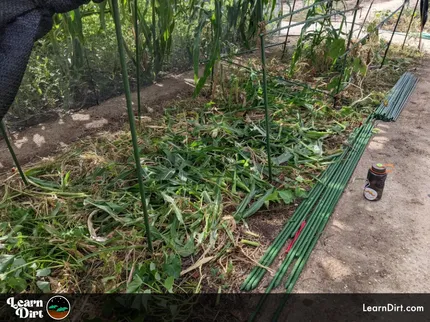
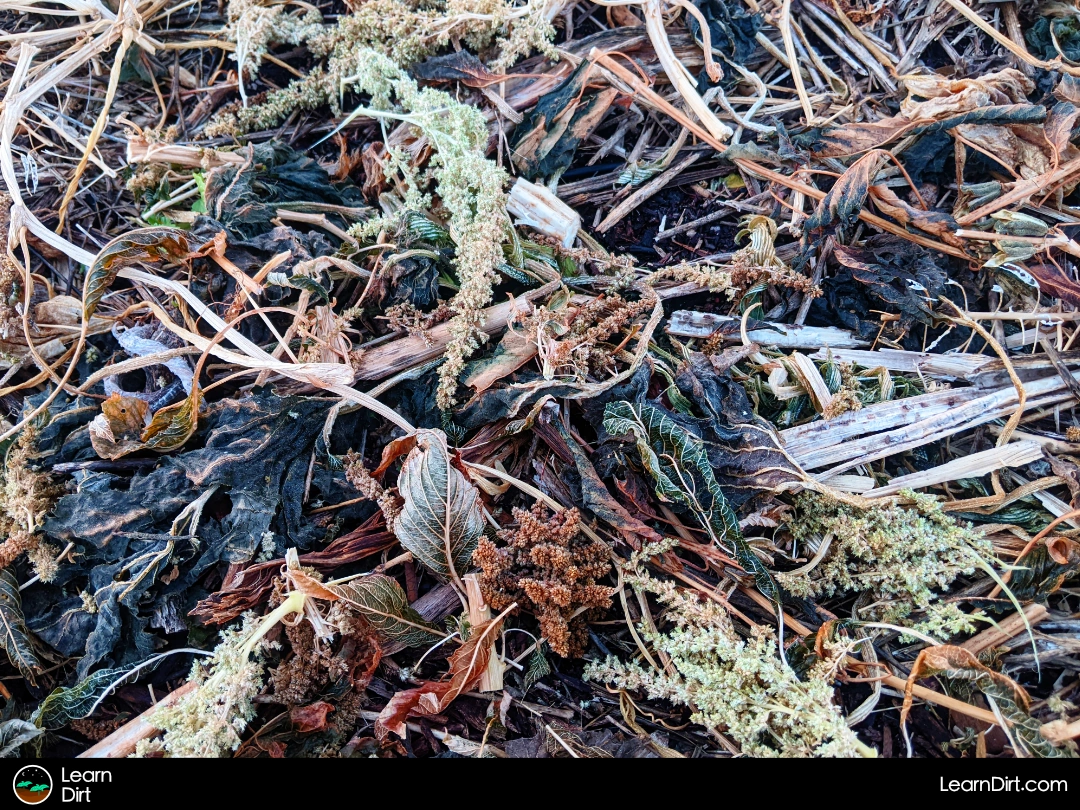
Chop and drop is probably the best source of mulch, because it repurposes all the plant matter that you already have.
Rather than buying anything, just lay your plant trimmings, dead leaves, stalks, and stems down on top of the soil.

Not only do you not have to buy anything to make it work, you don't even have to walk your trimmings over to the compost pile - literaly just drop them on the ground. That's it. They mulch your soil and compost in place over time.
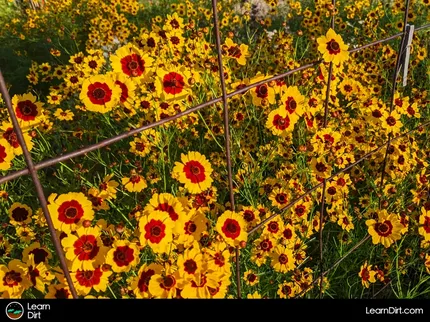
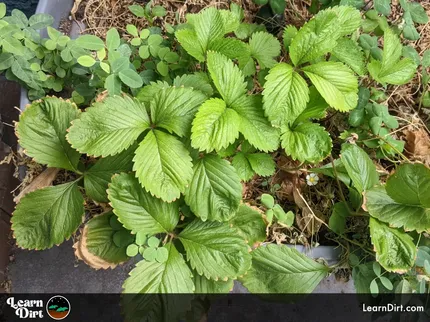
Living Mulch
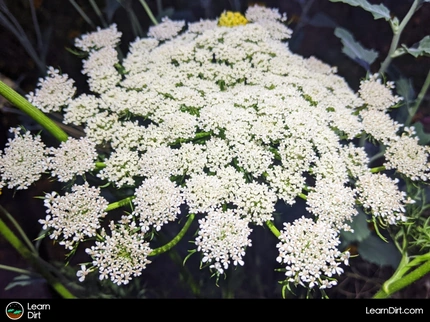
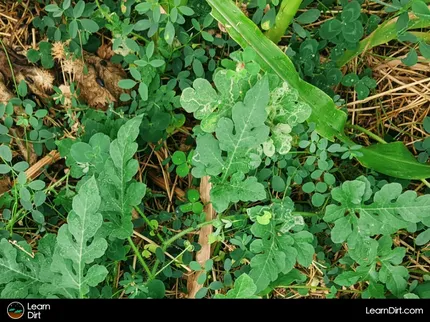
Many plants with low growth habits act as living mulch - shading and protecting soil, locking in moisture, cycling nutrients, pumping carbon into tho soil, and suppressing weeds.
Join The Regenerative Gardening Community
Looking for a place to meet growers,
ask questions, share knowledge, be heard,
and feel like you belong? 🌱
Check It Out!
You might consider some of them to be weeds which you pull, but they could be benefitting your soil instead.
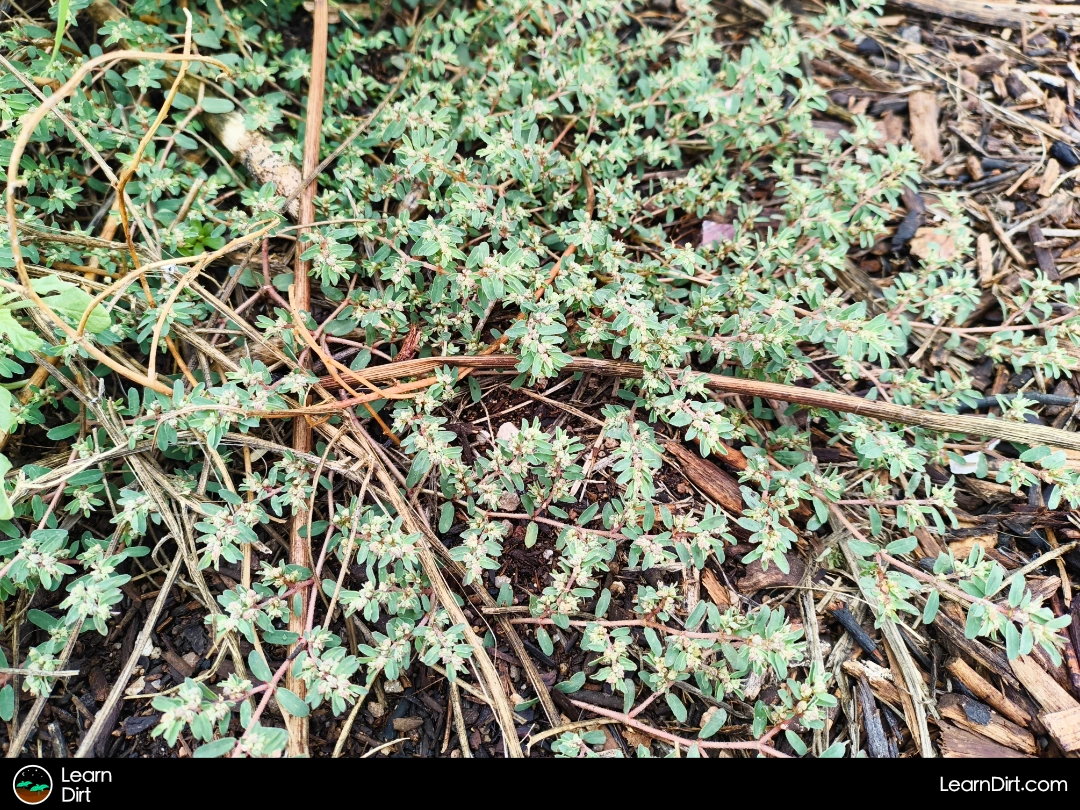
Often, nature gives you exactly what your soil needs. Many common "weeds" are just the ecosystem's attempt to remediate your soil. I find the majority of weeds give far more than they take - so it's important to familiarize yourself with the wild plants that pop up in your garden on their own.
Approaching weeds with a default assumption that they're there to help (so long as they aren't invasive or really in your way) tends to yield much better results than assuming anything you didn't plant yourself should be pulled.
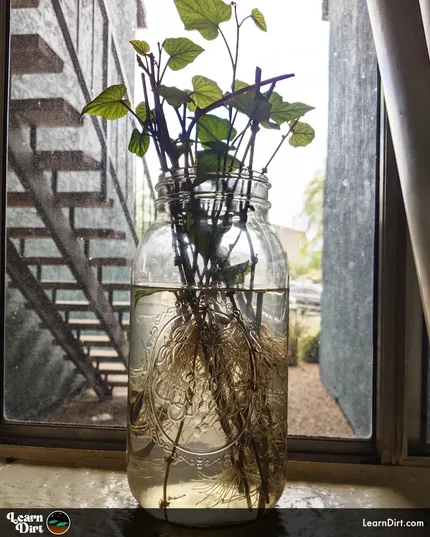
Some great cultivated options for living mulch include:
Cover Crop Residue
Cover crop residue is just like chop and drop mentioned above, but it is specifically the chop from cover crops which are grown for this purpose.
If you're not familiar with cover crops, we go into detail all about them here.
Because all cover crops provide great sources of carbon (pulled from the atmosphere), and many provide great sources of nitrogen (also from the atmosphere), this means that cover crops yield a great source of garden mulch pulled primarily out of thin air.

Many cover crops with long root systems also scavenge nutrients which have washed down to the subsoil. This helps pull it back to the surface, where plants can better access it once the mulch breaks down.
For all these reasons (and more), cover crops chopped and dropped as mulch are my favorite mulch source and are so critical for building healthy soil over time while reducing your garden inputs.
Bonus points when you save seed from your cover crops so you don't even need to bring outside seed into your system anymore - then you'll really start to approach a closed-loop system.
Weeds
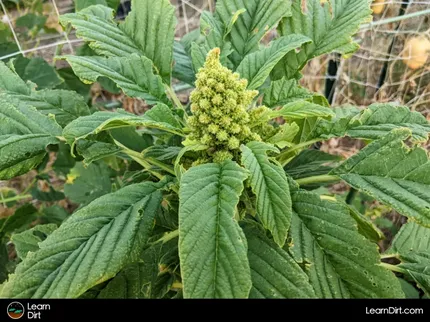
Most gardeners see weeds only as a nuisance, but every "weed" is a net-positive source of carbon which it's pulled from the CO2 in the air.
Since carbon is the primary ingredient for building healthy soil, every weed is a chance to turn a nuisance into a contribution towards your soil.
Chop weeds at the soil level (or pull them up if you're concerned about them regrowing) and simply lay them down as mulch on top of the soil around your other plants.
* Note that some weeds will root and regrow if laid on wet soil. Vines are especially notorious for this, so exercise some mild caution when trying new weeds as mulch.
Leaf And Tree-Derived Mulches
Leaf Mold Mulch
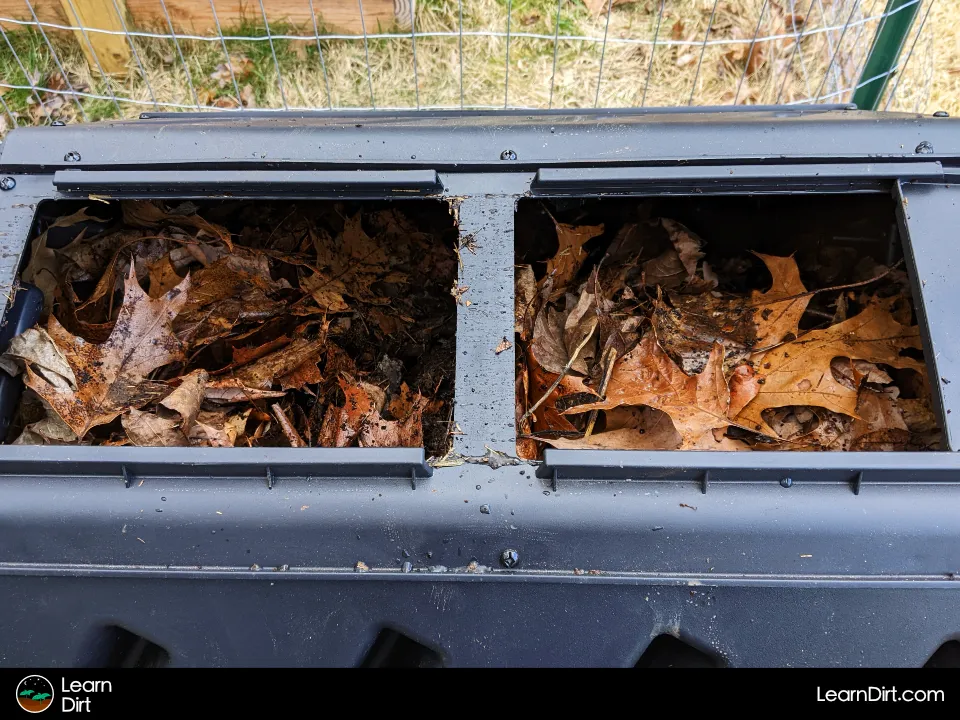
If you'd like to learn all about leaf mold, check out this article here.
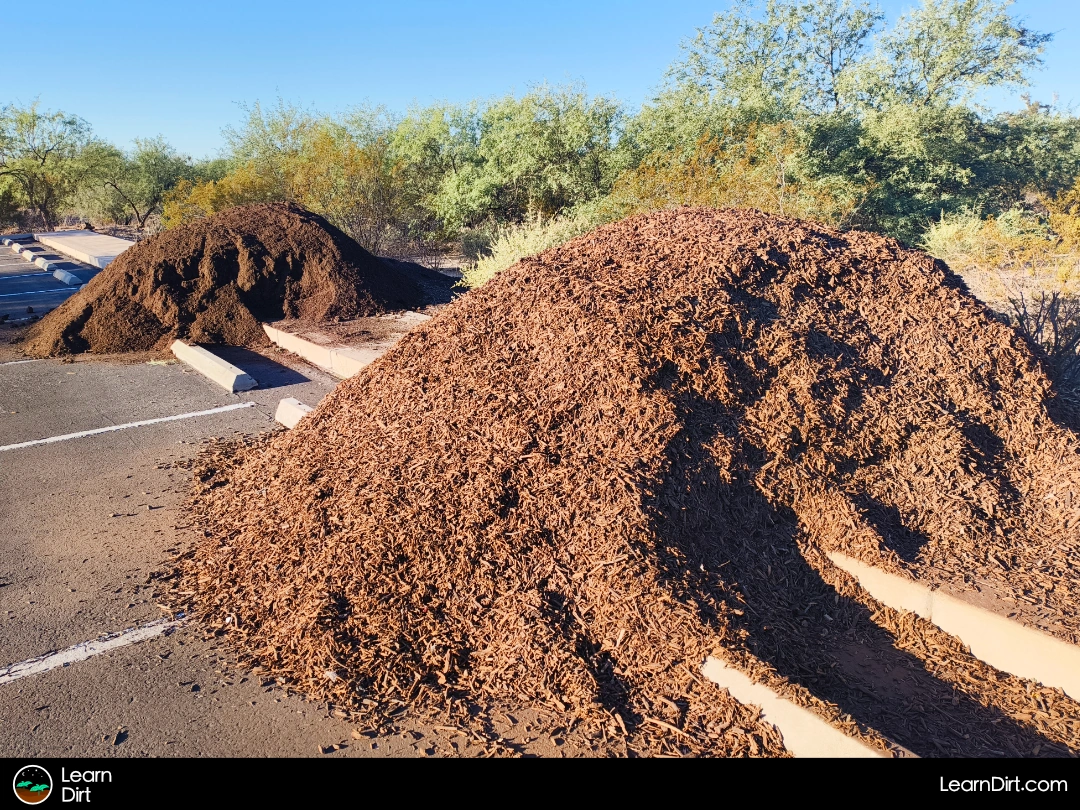
Wood Chip Mulch
Sawdust Mulch
Sawdust can be a great source of free mulch if you've got it from other projects or know a woodworker.
Just make sure it's not treated with any gnarly chemicals and your soil will be good to go with a sawdust blanket tucking everything in.
Be sure to wet it down frequently enough that you don't have too much of it blow away, or mulch over with an additional layer of another mulch on top.
Straw And Hay Mulches
Hay Mulch
Alfalfa Hay Mulch
While hay can be made of many things, alfalfa hay really shines when it comes to nitrogen content - because alfalfa is a nitrogen-fixing legume.

That means that alfalfa works with nitrogen-fixing bacteria to access atmospheric nitrogen from the air, and locks it into plant matter.
When used as a mulch, alfalfa hay not only covers and protects soils, suppresses weeds, and locks in moisture (it does all that like any other mulch) but also adds nitrogen to the soil as it breaks down. Win-win!
Paper And Fiber Mulches
Paper Or Cardboard Mulch

Ignore my leggy seedlings (etiolation), they were not loving thick shade cloth I was using 🫣
While most paper shredders aren't rated for cardboard, I've found that this 12-sheet micro shredder is easily tough enough for the job.
(Note that it does not explicitly say it can do cardboard, but I've done hundreds of boxes with it and many of the reviewers also use it for cardboard)
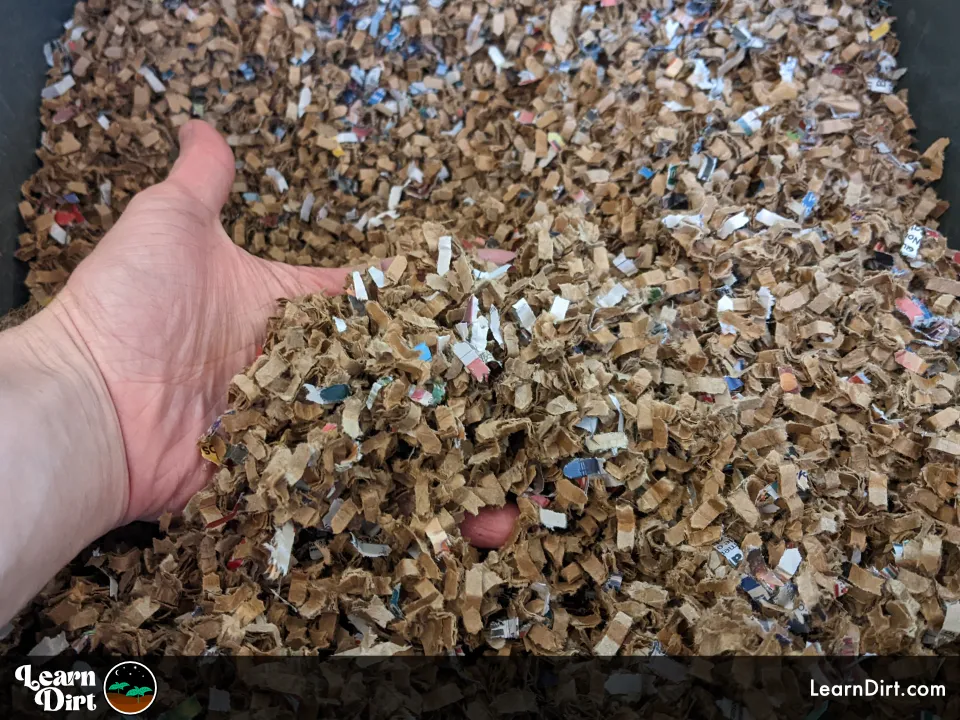

Shredded Newspaper Mulch
If you still read newspapers or know someone who does, you've got a steady supply of nice carbonaceous material at your disposal.
Grab a shredder if you don't want to have to rip it up by hand.
Be sure to wet the mulch down after applying to keep it from blowing away.
Wool Mulch
Wool mulch is an interesting one, primarily used by growers who also raise sheep.
This is usually discarded or unsold wool, and is increasingly becoming a thing among homesteaders and smaller farmers.
Reusing your wool as garden mulch is a great way to repurpose what otherwise may have been a waste product that's not worth selling.
Wool markets are also not what they used to be (most clothing is synthetic these days) so there are lots of places where selling even good quality wool is just not cost-effective.
It's easy to end up with piles of the stuff for some folks, and cycling that organic matter and the nutrients contained within back into your land can help grow more produce.
It breaks down into carbon, nitrogen, amino acids, and keratin which will become rich humus over time.
Join the Readers Keeping This Site Ad-Free
Every order supports free, independent gardening content
so why not grab some cute stickers or a shirt to show your support?

Jute Or Burlap Mulch
I use jute twine in my garden for tying stakes together, and plants to stakes, as well as for building trellising.
Anytime I have waste scraps of jute, I drop them into my garden beds as mulch and let them break down there over time.
Burlap is often available in the form of coffee sacks for free from local roasters. Check coffee shops where beans are roasted and see if they've got any extra coffee sacks available.
Because burlap still breathes while keeping the sun off, keeps moisture in, weeds down, and rain can still get through it - it makes a much better alternative to plastic landscape fabric. Plus it eventually decomposes, adding organic matter to your garden soil. Win!
Compost And Soil Amending Mulches
Compost Mulch
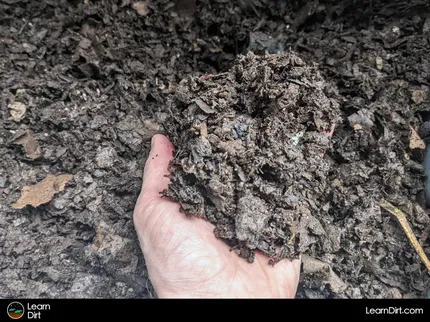
When I use compost as a mulch, it's usually the chunky stuff.
Unfinished compost that hasn't been sifted can be very tough to grow seeds in but is porfect for mulching around older established plants.
Remember: fine screened compost that's cured for seedlings, but thicker chunkier less-finished compost as mulch around big plants.
Byproduct Mulches
Tea Leaf Mulch
If you have a local tea shop that brews with lots of loose-leaf, they may hook you up with them for free by the bucket-full.
Many tea shops will do this and it's a common request, so don't be afraid to ask!
Seaweed Mulch
Many water-soluble nutrients such as phosphorus and nitrogen have a way of leaching from topsoil and finding their way to the sea over time.
For agriculture, we need a way to cycle these nutrients back to land for our plants. That's where seaweed comes in.
Seaweed contains a great mix of nutrients that can be a huge boost to gardens, especially if you can harvest it yourself.
Just be cautious of sodium buildup in soil from appling too much seaweed.
Cheap Garden Mulch
The least expensive garden mulch option is to use what you've got!
Remember that any mulch you purchase was once a plant. If you've got plants you no longer need, you've already got mulch.
This is where chop and drop comes in. Almost any plant matter you've got around can be mulch:
Join the Readers Keeping This Site Ad-Free
Every order supports free, independent gardening content
so why not grab some cute stickers or a shirt to show your support?
![Don't Till Away Your Carbon [Neon]](/media/product_images/dont-till-away-your-carbon-[neon]_sticker_260x260.png)
When to Mulch Your Garden
Use mulch when plants are established, and tall enough to pop through it.
Seedlings can germinate and sprout through a thin layer of mulch, but will struggle breaking through really thick sheet mulch.
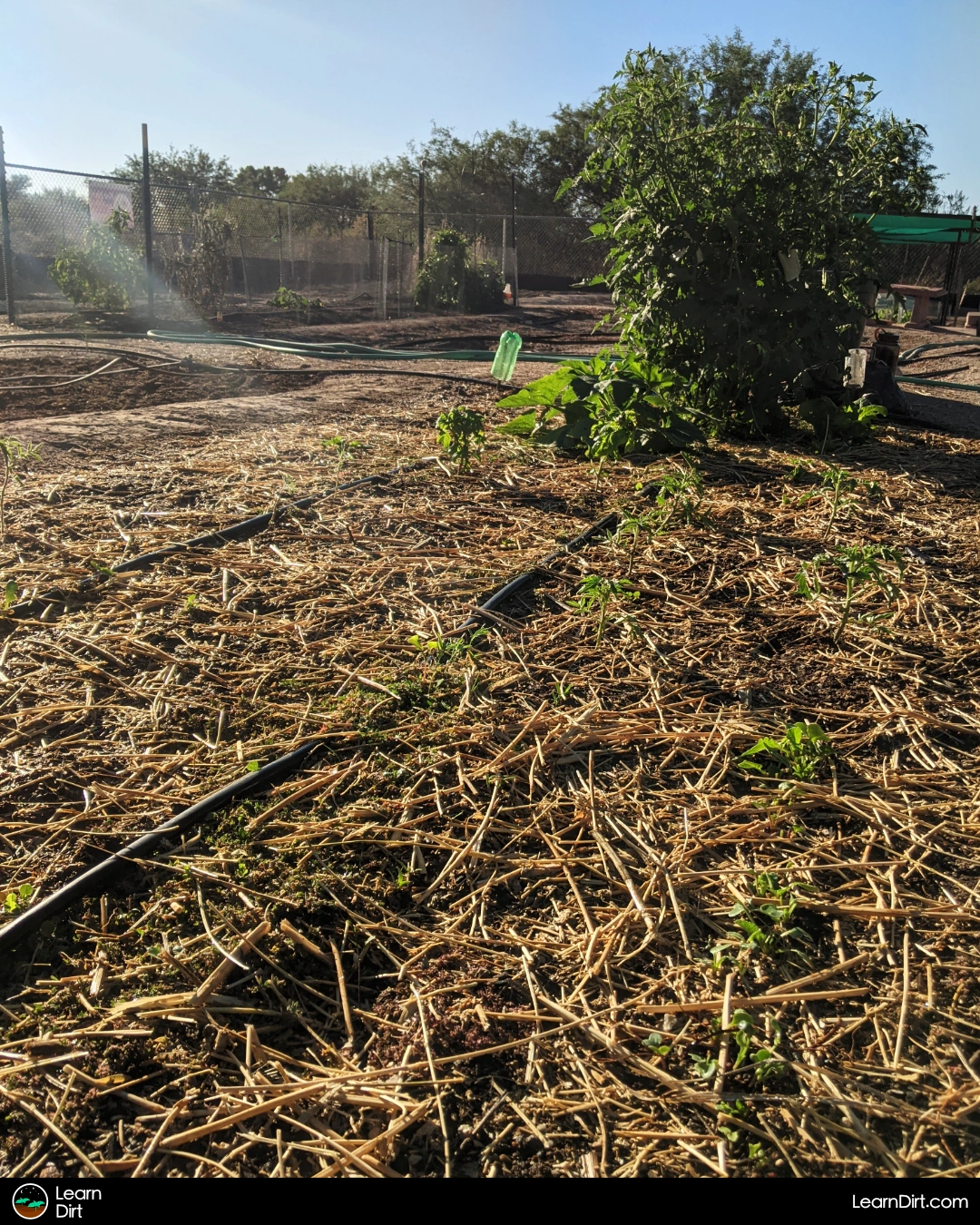
As seedlings pop up above the mulch, I layer more on each week.
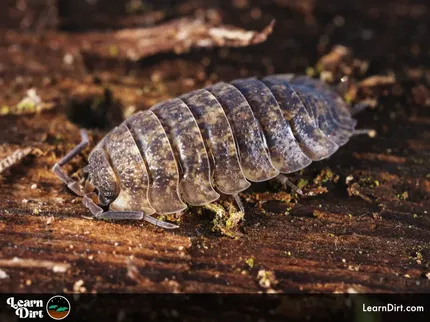
This keeps the microbiome well-fed (isopods, fungi, worms, grubs, beneficial bacteria and more need decomposing matter to eat) and gives plants time to get a bit taller befor adding each layer.
As long as you don't smother your seedlings out, you're all good!
Keep adding mulch throughout the season. For soil-building and decomposer food, I think of it like shovelling coal into an old locomotive - a constant chore you need to stay on top of. When in doubt, mulch heavier!
Even a small garden plot or raised bed can consume multiple bales of hay or straw each growing season if the microbiome is healthy. All that mulch is broken down by the decomposers into a fresh layer of soil which you plants can access, so keep an shoveling more mulch in all season long for best results!
Remember that pill bugs, slugs, snails, and other decomposers will eat your living plants if they're starved for food - but they'd all prefer to eat dead mulch! Feed them well and they'll pay your plants less mind. Don't let your decomposers go hungry.
How to Apply Mulch
I find mulch is easeir to apply when plants are small, as you can just sprinkle it everywhere while standing up.
Once plants are big and bushy, you'll have to get down low and spread mulch across the soil and around their stalks from below.
Apply thin layers of mulch for germination and small seedlings, and thicker layers of mulch for established plants. The bigger the plant is, the more mulch you should add.
This ensures the microbiome is fed well enough to cycle a ton of nutrients in symbiosis with your plants - ensuring your plants are well-fed by extension. Today's mulch becomes tomorrow's soil. Tomorrow's soil becomes plants the day after.

Mulch for Raised Garden Beds
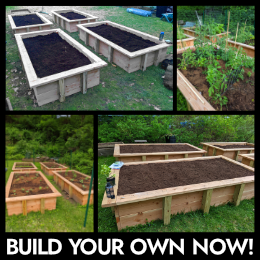
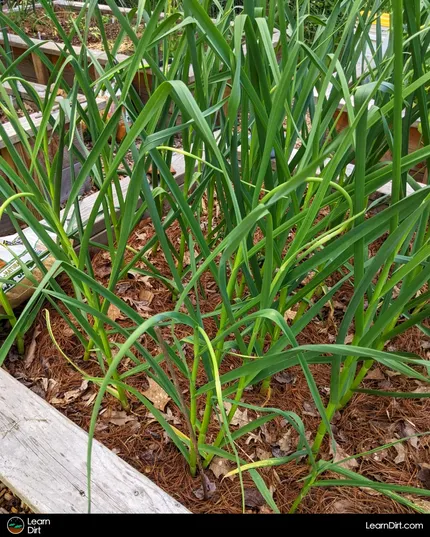
If you've got raised garden beds or plan on building some, mulch is a great way to top up the organic matter in the beds.
Because it will break down into a fresh layer of soil, constant additions of mulch will ensure that you're adding more to the beds than you're taking from harvests.
Nutrients alse seep out of the bottom of garden beds and down into the topsoil, and mulch replenishes the nutrients lost to this leaching.
You may notice that the soil level in your raised garden beds drops over time - an indicator that you need to be adding more organic matter at a faster pace.
Join the Readers Keeping This Site Ad-Free
Every order supports free, independent gardening content
so why not grab some cute stickers or a shirt to show your support?

If the level drops over time, go heavier on your mulch additions, and add more mulch every few weeks during the growing season.
It breaks down into soil rapidly when your soil microbiome is healthy, and the soil decomposers can eat a lot of mulch!
As one of the best ways to keep the microbiome well-fed, think of mulch as the food that the soil critters need to create your next layer of soil.
That's all for now, thanks for reading!
If you have any questions, comments, or would like to connect with fellow gardeners, head on over to the forum and post there.